How to Prepare for a Blood Test: A Simple Checklist
Blood tests are one of the most common things a GP orders. They can check general health, monitor a long-term condition, look for the cause of symptoms or make sure a medicine is working safely. A little preparation can make the visit quicker and the results more accurate.
Step 1: Get your request form from your GP
Your GP decides which tests you need and gives you a pathology request form (paper or electronic). The form tells the collector exactly what to test for. Without it, the pathology collection centre cannot take your blood.
Ask your GP:
- what the test is checking for
- whether you need to fast or stop anything beforehand
- when the results are likely to be back
- whether you need a follow-up appointment to discuss them
Step 2: Check whether you need to fast
Most blood tests do not need fasting. Some tests — for example certain glucose (sugar) or cholesterol tests — may require you to fast. Your GP or the request form will tell you if fasting is needed.
If you do need to fast:
- usually this means no food for 8–12 hours beforehand (your GP will confirm the time)
- plain water is fine — and it helps make your veins easier to find
- avoid coffee, tea, juice, chewing gum and alcohol until after the test
- book an early collection so you are not hungry for long
If you have diabetes and take insulin or other glucose-lowering medicines, talk to your GP about fasting first. Never stop a prescribed medicine unless your doctor has told you to.
Step 3: Tell the collector about your health
Let the collector know if you:
- take blood thinners (anticoagulants), as you may need extra pressure afterwards
- have fainted during a blood test before — you can lie down
- have a fear of needles — they can talk you through it
- have had lymph nodes removed from one arm (they will use the other arm)
Step 4: What to bring
- your pathology request form (or the electronic request on your phone)
- your Medicare card
- your concession card, if you have one
- a bottle of water and a snack for afterwards, if you have been fasting
Tips to make it easier
- Drink water the day before and the morning of your test (unless told otherwise).
- Wear a short-sleeved top or sleeves that roll up easily.
- Keep warm — cold hands and arms can make veins harder to find.
- Breathe slowly and look away if needles make you uneasy.
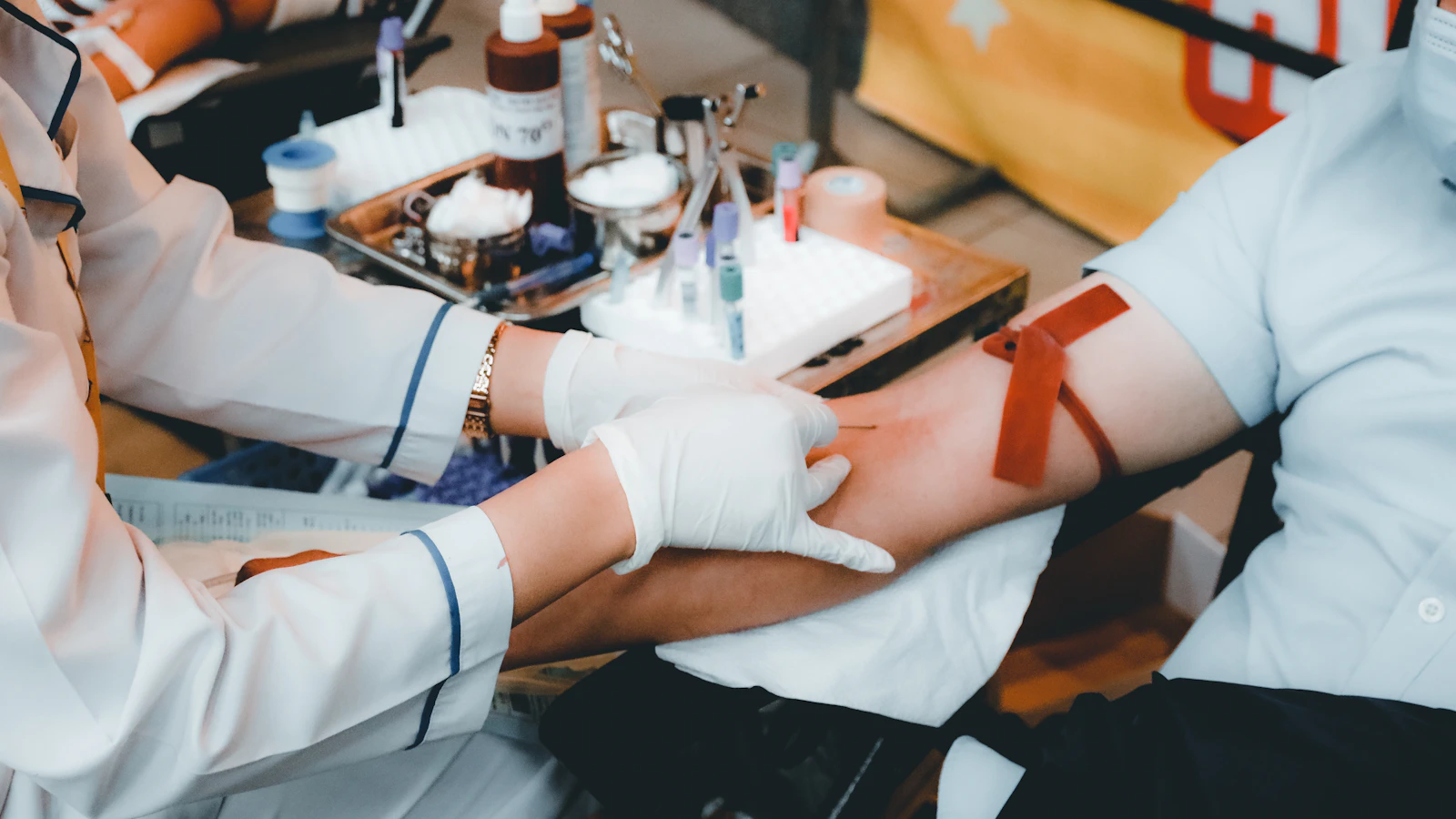
- Keep pressure on the site for a few minutes afterwards to reduce bruising.
How do I get my results?
Results are sent to the doctor who requested the test, not straight to you. Your GP will review them in the context of your health history, symptoms and medicines. Many results need explaining — a number slightly outside the “normal range” is not always a concern, and a normal result does not always rule something out.
Book a follow-up appointment if your GP asked you to, or if you would like to understand your results.
Blood tests at Warragul Medical Centre
4Cyte Pathology is available onsite at Warragul Medical Centre, so you can see your GP and have your blood collected in the same place. Please call reception on (03) 9125 0160 to check current collection times before you come in. Learn more about our onsite pathology services.
See a GP at Warragul Medical Centre
Warragul Medical Centre is at 33 Victoria Street, Warragul, and is open Monday to Friday and Sunday, 9:00 am – 5:00 pm (closed Saturdays and public holidays). New patients are welcome. Book online through HotDoc or call reception on (03) 9125 0160.
This article is general information only and is not a substitute for personal medical advice. Please book an appointment to discuss your own health. In an emergency, call 000.